If you’re an artsy girl, chances are your goals don’t always fit neatly into checklists. You’re dreaming in textures, colors, feelings, and moments — not just outcomes. That’s exactly why vision boards work so well for creatives.
A vision board isn’t just a collage. It’s a visual reminder of the life, habits, and creative energy you want to step into. And when done intentionally, it can become a gentle guide you return to every day.
Here’s how to create a vision board that actually works — especially if you’re creative, artistic, or visually driven.
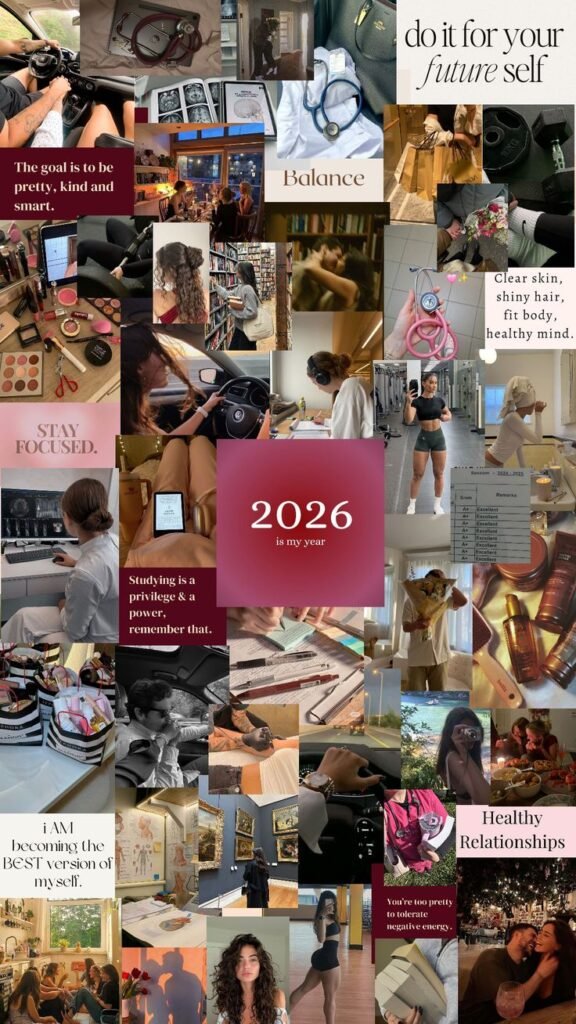
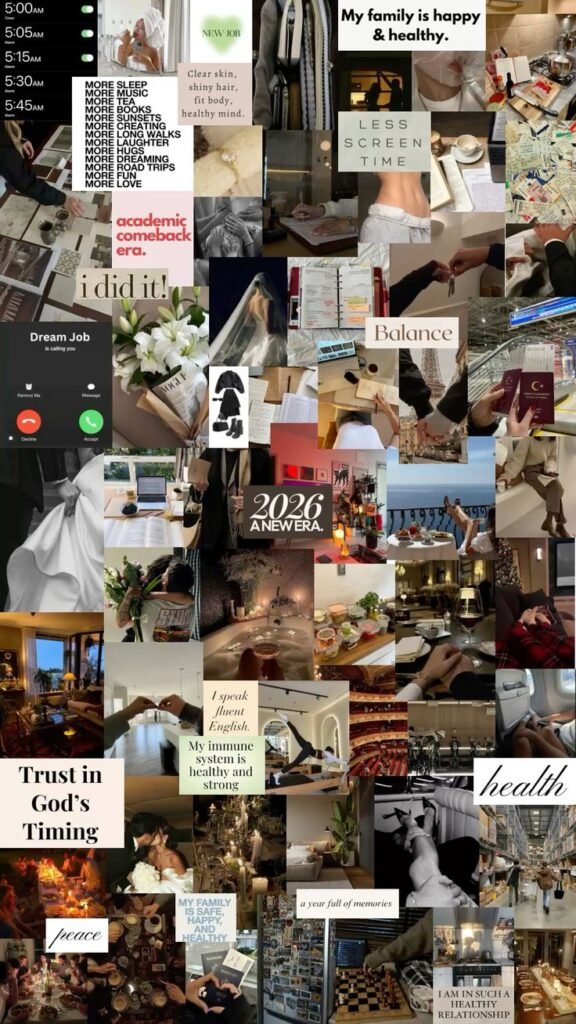
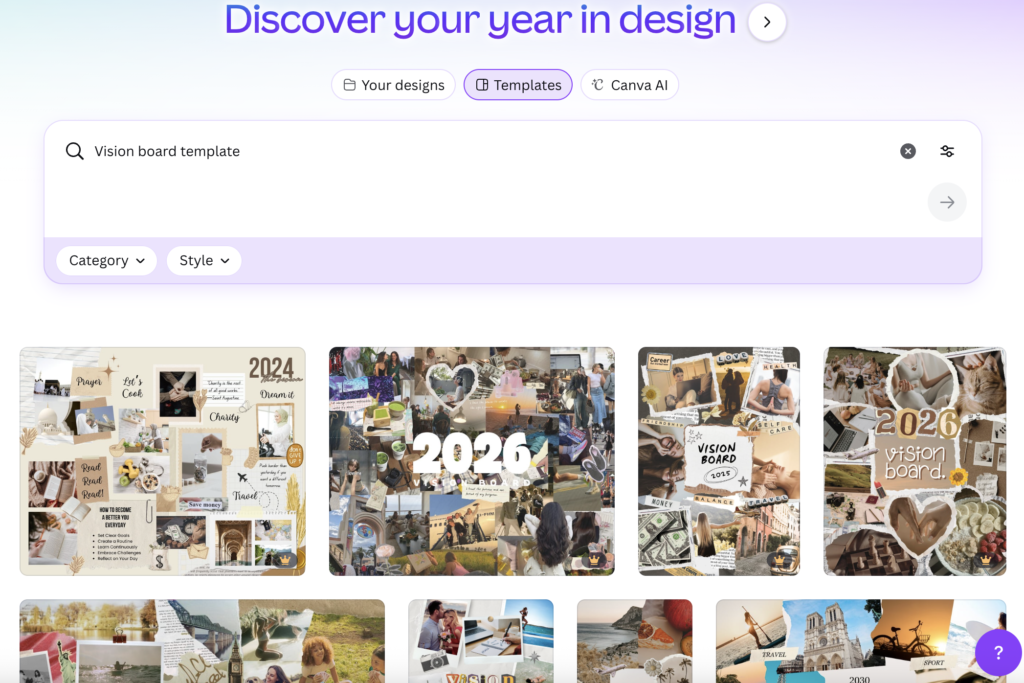
Create your own ONLINE vision board for FREE using Canva. Simply search “vision board” in Canva to find a wide range of free templates, or use the link in the button below to explore both free and paid options you can fully customize to match your aesthetic.
What Is a Vision Board?
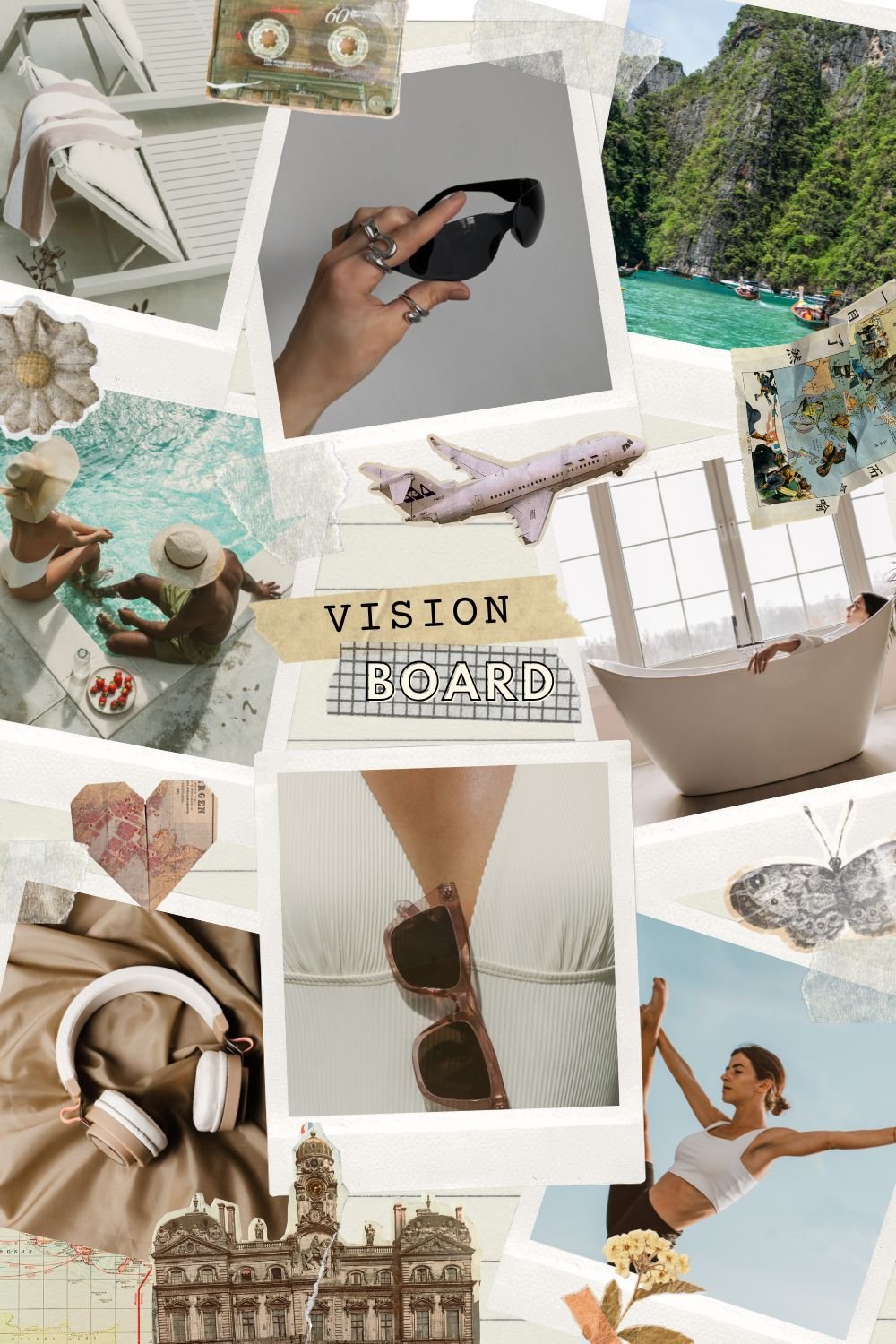
A vision board is a visual representation of your goals, values, and desires. It’s usually made up of images, words, textures, and quotes that reflect the life you want to build.
For creatives, a vision board isn’t about perfection — it’s about feeling. When you look at it, you should immediately sense the mood you want your life to have: calm, inspired, focused, playful, cozy, or confident.
Step 1: Start With Feelings, Not Just Goals
Before cutting anything out or opening Pinterest, pause for a moment.
Ask yourself:
- How do I want this year to feel?
- What kind of artist do I want to be?
- What do my ideal days look like?
Instead of only thinking “I want to be more productive,” try reframing it as:
- I want to create consistently without burnout.
- I want my art practice to feel calm and joyful.
Write a few words down — these will guide every image you choose.
Step 2: Gather Your Materials (Digital or Physical)
You can create a vision board in whatever format fits your lifestyle.
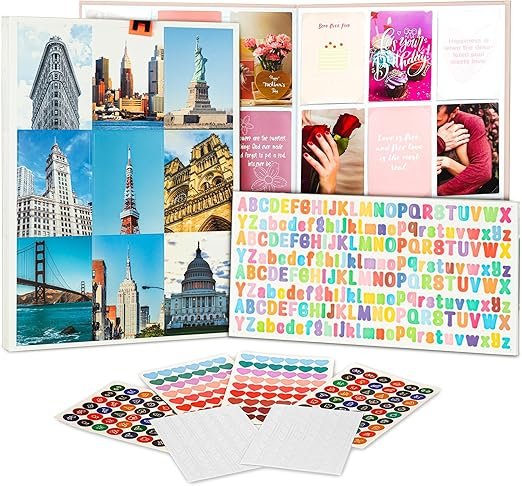
Physical vision board ideas:
- Poster board or cork board
- Magazines, old books, art prints
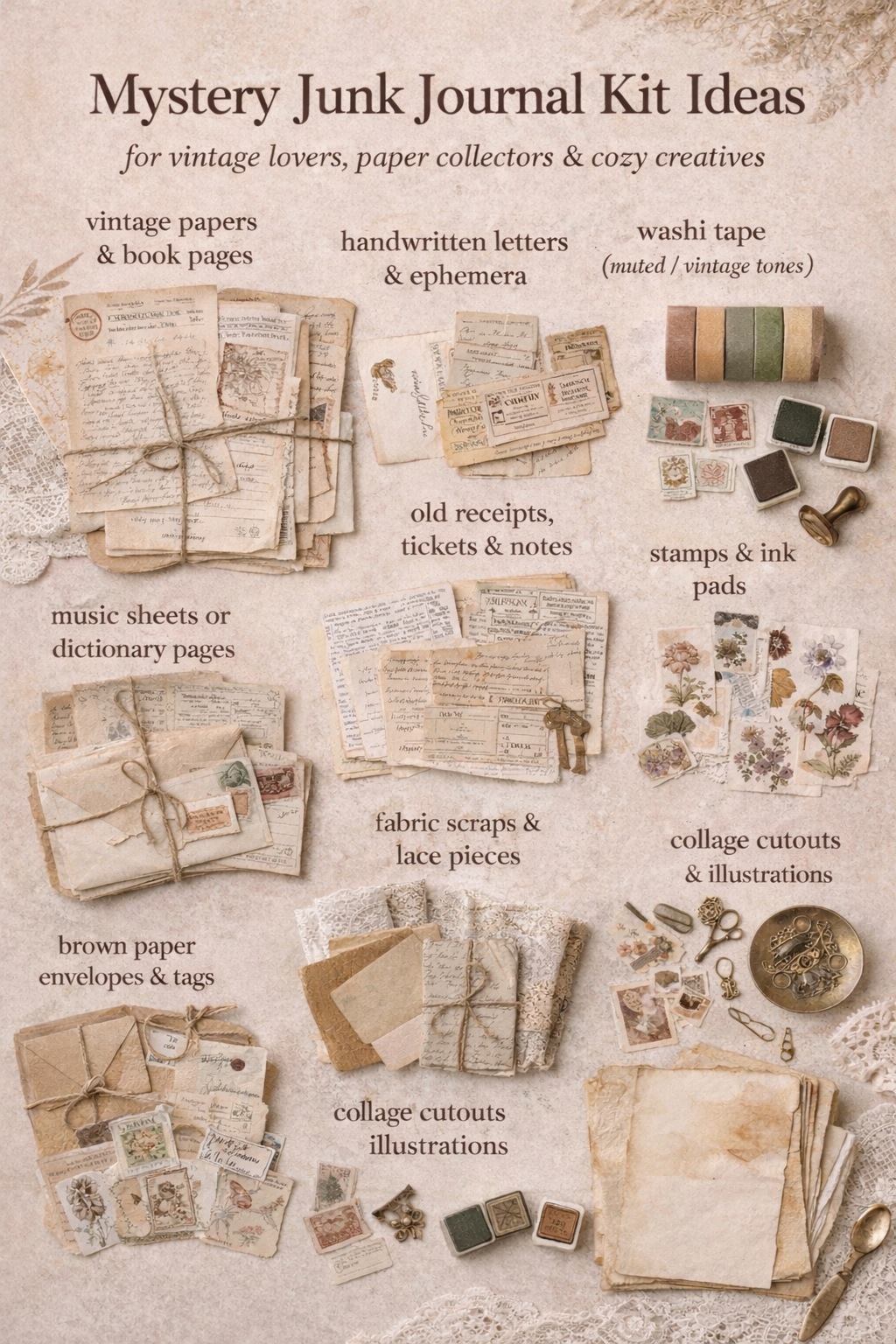
- Scissors, glue, washi tape
- Scrap paper, fabric, paint swatches
Digital vision board ideas:
- Canva
- Pinterest board
- iPad or tablet collage
- Phone or laptop wallpaper
There’s no “better” option — the best one is the one you’ll actually look at.
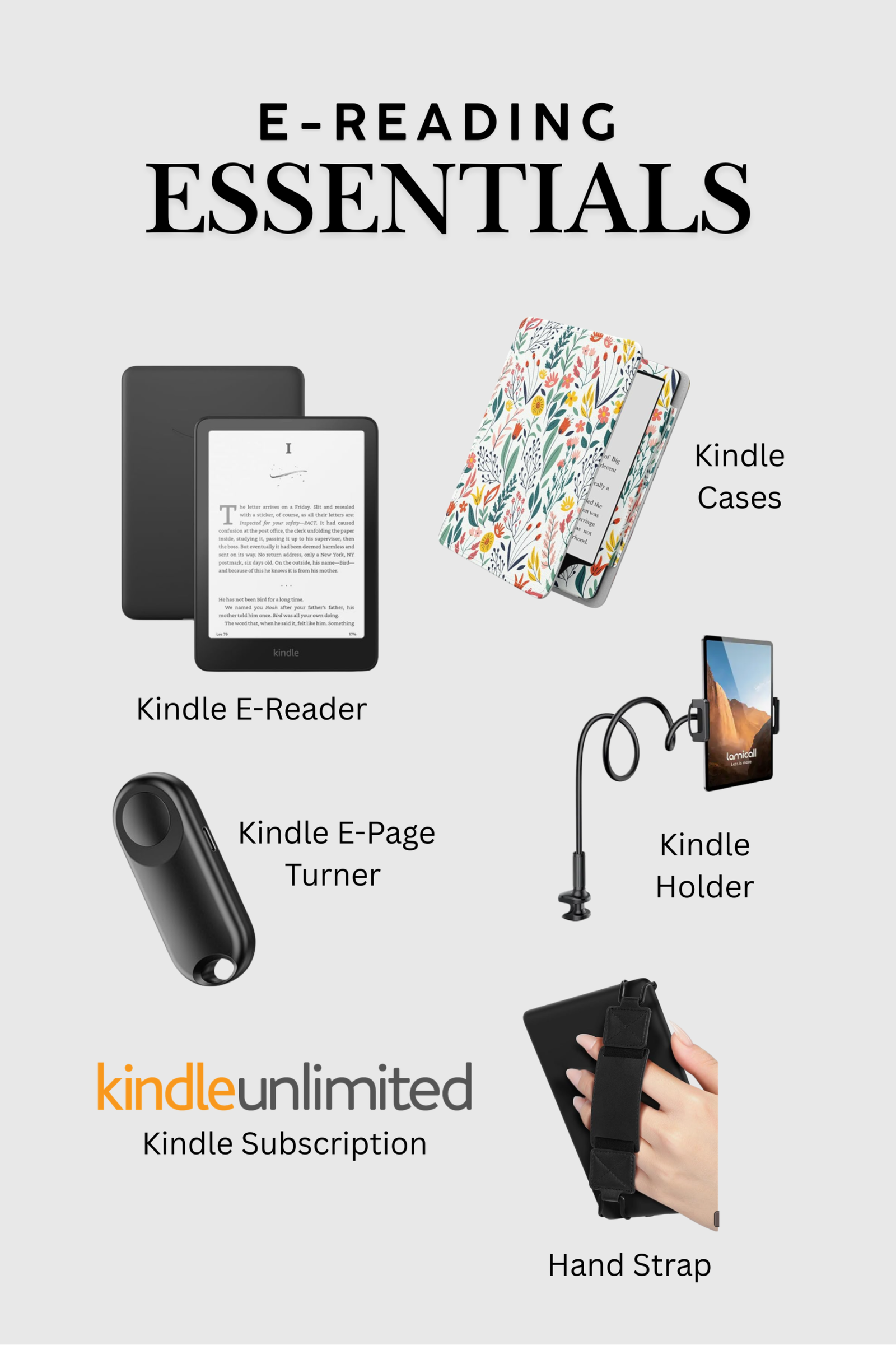
Below are a few easy items you can add to your cart to create a physical vision board. This post may contain affiliate links, meaning I may earn a small commission if you choose to purchase through them—at no extra cost to you. As an Amazon Associate, I earn from qualifying purchases. Thank you so much for supporting my blog!
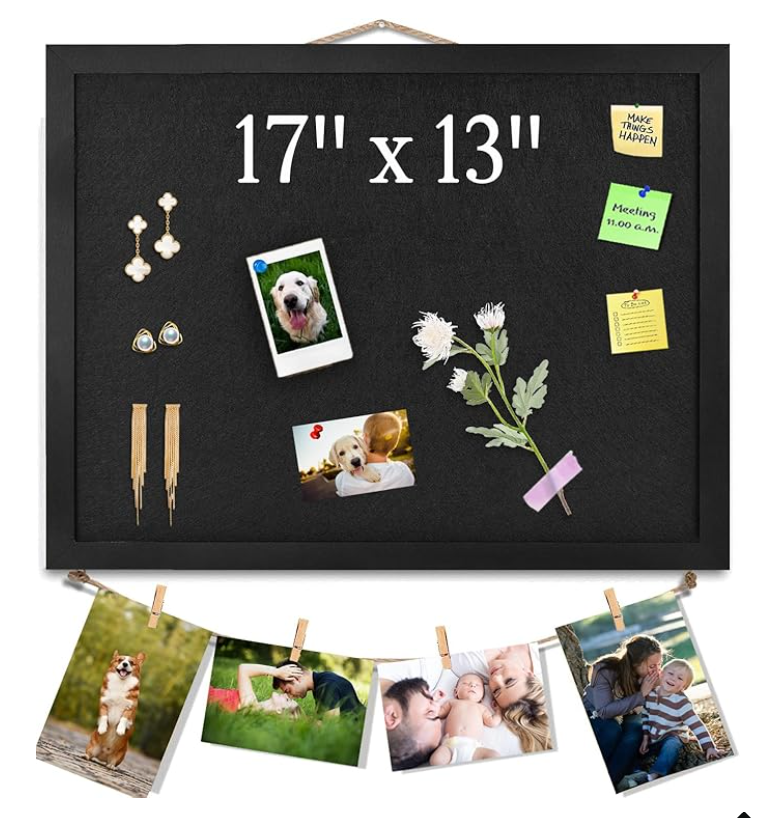
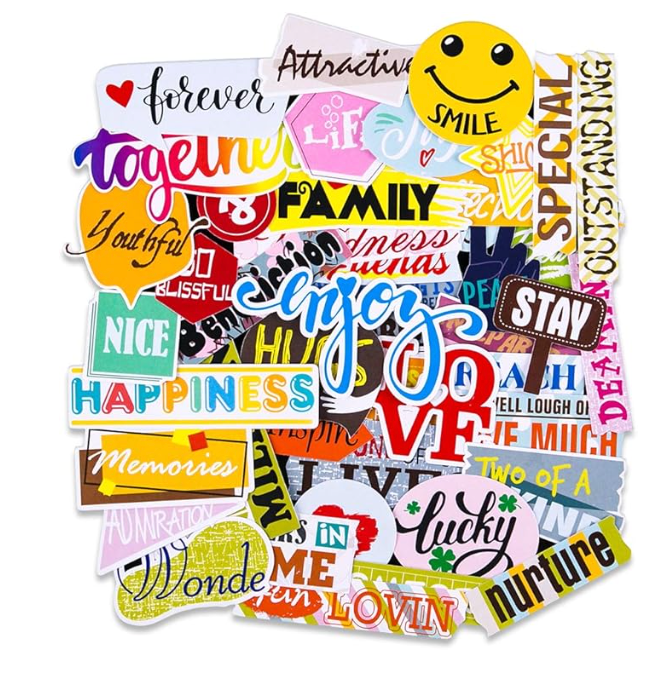
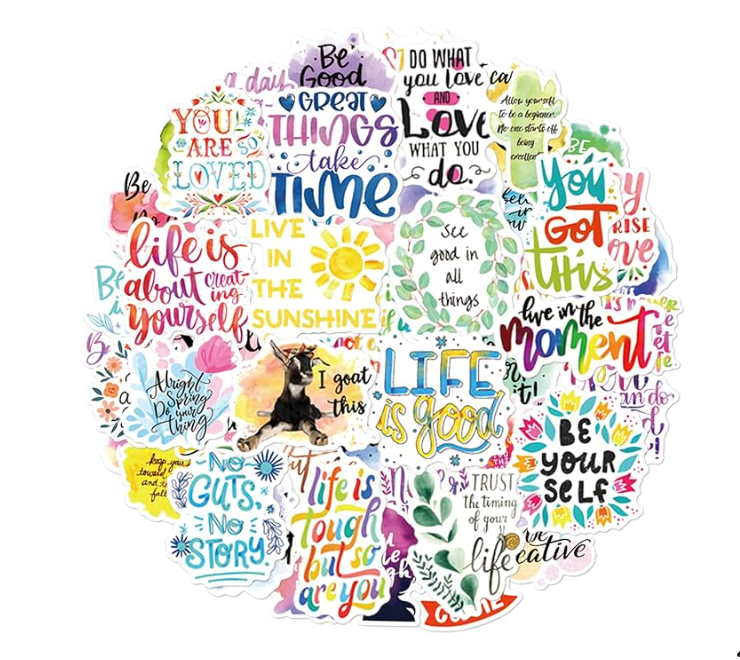
Step 3: Find Visual Inspiration That Matches Your Creative Life
As an artsy girl, your inspiration might look different than traditional vision boards.
Look for:
- Art desks, sketchbooks, paint palettes
- Cozy studios, morning light, messy creativity
- Journals, zines, handmade textures
- Quotes about creativity, patience, and growth
A helpful tip from vision-board psychology is to choose images that represent the experience, not just the outcome How to Create a Vision Board Th….
For example, instead of just a finished artwork, include:
- Hands painting
- A sketchbook mid-process
- A calm workspace
This helps your brain associate your goals with daily action.
Step 4: Build Your Board Intuitively
There’s no correct layout.
Some creatives like:
- A central word or year (like “2026”)
- Themes grouped together (art, rest, growth)
- Overlapping images for a scrapbook look
Others prefer clean spacing and soft color palettes.
Let it be imperfect. Let it be messy. Let it look like you.
Step 5: Add Personal, Artsy Touches
This is what turns a vision board from “pretty” into powerful.
Try adding:
- Handwritten affirmations
- Small sketches or doodles
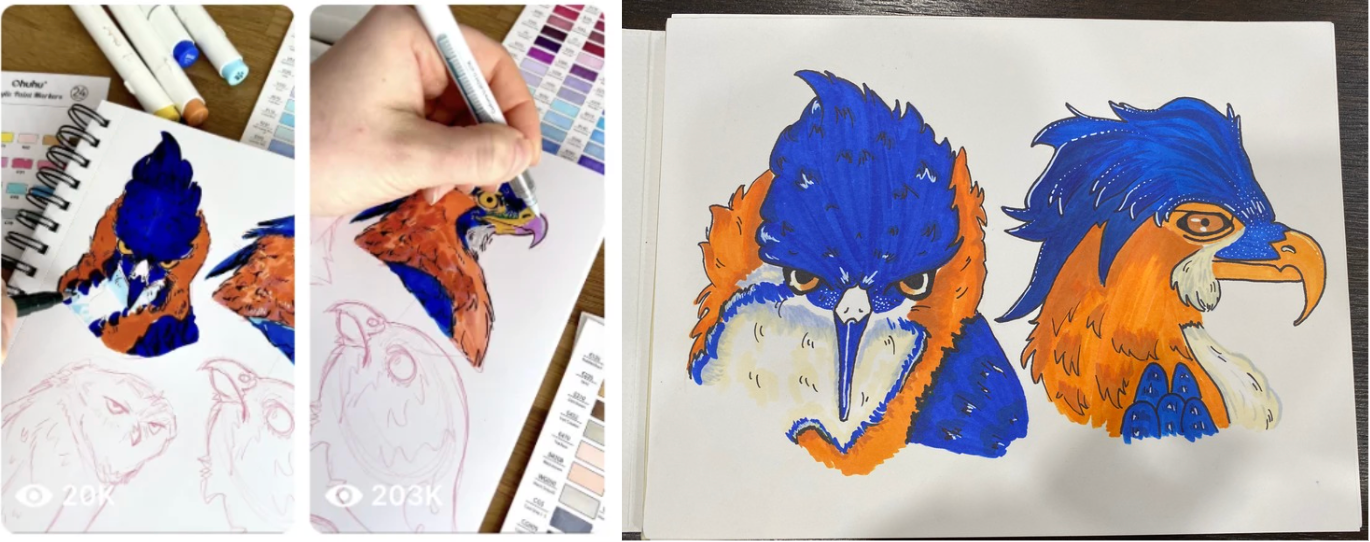
- Paint strokes or collage scraps
- Photos of your own art or journals
The more personal it feels, the more likely you’ll emotionally connect with it.
Step 6: Place It Where You’ll Actually See It
Your vision board should live somewhere visible, not hidden away.
Good spots include:
- Above your desk
- Near your bed
- Inside a journal cover
- As your phone or laptop wallpaper
The goal is gentle repetition — seeing your intentions often without pressure.
Step 7: Pair Visualization With Small Creative Action
Vision boards work best when paired with action.
You don’t need massive steps. For creatives, small actions matter more:
- One sketch a day
- Five minutes of journaling
- Finishing one small project
Each time you act, your vision board becomes less of a dream and more of a roadmap.
Step 8: Let It Evolve With You
Your vision board is not permanent.
As you grow, your goals and creative identity may shift — and that’s okay. Revisit your board every few months. Add, remove, or replace pieces as your life changes.
Creativity is fluid. Your vision board can be too.
Final Thoughts
For artsy girls, a vision board isn’t about manifesting perfection — it’s about creating alignment. It’s a quiet reminder that your creativity deserves space, care, and consistency.
You don’t need to do everything at once.
You just need to take small creative steps daily.